Our editorial team follows strict guidelines to ensure accuracy and objectivity. Learn more about our process.
Shopping for homeowners insurance effectively can save you thousands on premiums. Whether you're buying a new home or evaluating your current policy, the timing of your insurance shopping makes a significant difference in your rates. Let's explore the best times to shop for home insurance and how to maximize your savings.
1. When Your Credit Has Recently Improved
Understanding how insurance carriers use credit to evaluate risk and determine rates is one of the most critical factors when shopping for home insurance. Your credit score has a massive impact on your insurance rate, and each carrier approaches credit evaluation differently.
Most carriers use credit to evaluate risk, but their methods of calculating your insurance credit score vary significantly. Let's look at how two major carriers differ in their approach:
Safeco Insurance uses a straightforward numerical system:
- Scores range from 1-100
- 10 and under represents the best possible credit score
- 30-50 is considered the standard score range
- Over 50 results in non-standard (higher) rates
- Only pulls credit for the head of household
Nationwide takes a markedly different approach:
- Uses a complex letter-number combination system
- Evaluates combined household credit scores
- Employs unique factor weighting in their algorithm
- Often results in different rates than single-score carriers
Strategic Tip for Married Couples: If your carrier only uses the head of household's credit, list the spouse with better credit as the primary policyholder. For example, if a wife has excellent credit while her husband's score is lower, making her the head of household could save hundreds on annual premiums. This simple adjustment often results in substantially better rates when shopping for homeowners insurance.
2. When You've Made Recent Updates
Insurance carriers value home updates because they indicate responsible homeownership. Making improvements to your home not only increases its value but can significantly reduce your insurance rates. Understanding which updates matter most to insurance carriers can help you time your insurance shopping effectively.
Major carriers particularly value updates to these critical systems:
- New roof installation or significant repairs
- Updated plumbing systems
- HVAC replacements or modernization
- Electrical system upgrades
- Security system installations
Some insurance carriers make these updates mandatory, especially for older homes. Without them, you might find carriers unwilling to write new policies entirely. This becomes particularly important when shopping for homeowners insurance on properties over 20 years old.
3. When Claims Are Older Than 5 Years
When shopping for homeowners insurance, carriers review your claims history through what's called a CLUE (Comprehensive Loss Underwriting Exchange) report. Understanding how this report affects your rates can help you time your insurance shopping more effectively.
The standard lookback period works as follows:
- Carriers examine the past 5 years of claims history
- Claims older than 5 years won't affect your rates
- Each claim within the window impacts premiums differently
- Multiple claims can have compounding effects
While some carriers historically used a 3-year claims history window, this practice has become increasingly rare. Today's insurance market typically follows the 5-year standard, with claim impact varying by type:
Water Damage Claims:
- Often viewed as highest risk
- Can lead to significant premium increases
- Multiple claims may result in coverage denial
- Usually takes full 5 years to age out
Weather-Related Claims:
- Generally viewed more favorably
- May have minimal impact on rates
- Some carriers exclude from rating
- Could affect deductible options
4. When Adding Additional Lines of Business
Bundling multiple insurance policies with the same carrier represents one of the best opportunities for premium savings. Understanding how carriers approach multi-policy discounts can help you maximize your savings when shopping for home insurance.
Most carriers offer significant bundle discounts:
- Home and auto combinations save 20-25%
- Multiple property policies increase discounts
- Recreational vehicle policies can be included
- Umbrella policies often qualify for bundles
Money-Saving Tip: When buying a new home, check with your current auto insurance carrier first. Their familiarity with your history and bundle discounts could result in better overall rates. However, this is also an excellent time to have an independent agent shop your entire household to compare total savings opportunities.
5. When Getting Married
Marriage creates multiple opportunities to save on home insurance, even though getting married itself doesn't offer direct insurance discounts. The combination of households often opens new doors for premium savings and coverage optimization.
This timing advantage comes from several factors:
- Multiple policy combinations become available
- Household credit scores can be strategically used
- Combined assets may qualify for better rates
- New bundle opportunities often arise
Strategic Coverage Tip: When combining households, take inventory of all insurance policies between both spouses. Having an independent agent review your entire insurance portfolio can uncover savings opportunities you might otherwise miss.
6. When Changing Jobs - Affinity Discounts
Your occupation can unlock special insurance savings through what carriers call affinity discounts. These professional discounts vary by carrier but often provide significant savings opportunities when shopping for home insurance.
Common professions that qualify include:
- Teachers and educators
- Healthcare professionals
- Military and veterans
- First responders
- Service industry workers
Each carrier treats these discounts differently, making job changes an ideal time to compare rates across multiple insurance companies.
7. When You Have a Captive Agent
Working with a captive insurance agent limits your options since they can only sell policies from one company. As someone who spent over 8 years as a Farmers Insurance captive agent before becoming independent, I can explain why this matters for your rates.
Captive agents face these limitations:
- Can only offer one company's products
- Must accept that company's rates
- Limited ability to solve coverage issues
- No option to compare market rates
Independent agents, by contrast, can:
- Access multiple insurance carriers
- Compare rates across companies
- Find solutions for unique situations
- Move policies if rates increase
8. When Renewal Premium Increases Over 15%
Insurance loyalty should work both ways. While you may want to stay loyal to your carrier, they should reward that loyalty with stable rates. We follow a simple rule: if your renewal premium increases by more than 15% without any claims, it's time to shop your coverage.
Consider shopping when:
- Rates increase significantly
- No claims justify the increase
- Coverage needs haven't changed
- Market conditions remain stable
9. When You Pay Off Your Mortgage
Some carriers offer specific discounts for mortgage-free homes. While this discount is typically modest, it represents another strategic time to shop for better rates. This particularly benefits older homeowners who have paid off their properties.
10. Eight Days Before Renewal
Modern carriers offer what's called an Advanced Shopper Discount when you initiate coverage at least 8 days before your policy's effective date. However, understanding how this discount works is crucial:
- Only applies to new policies
- Usually drops off at renewal
- Can combine with other discounts
- May affect future renewal rates
Important Note: When this discount expires at renewal, combined with normal rate increases, you might see significant premium changes. Mark your calendar to shop rates again before this happens.
Ready to Start Shopping for Home Insurance?
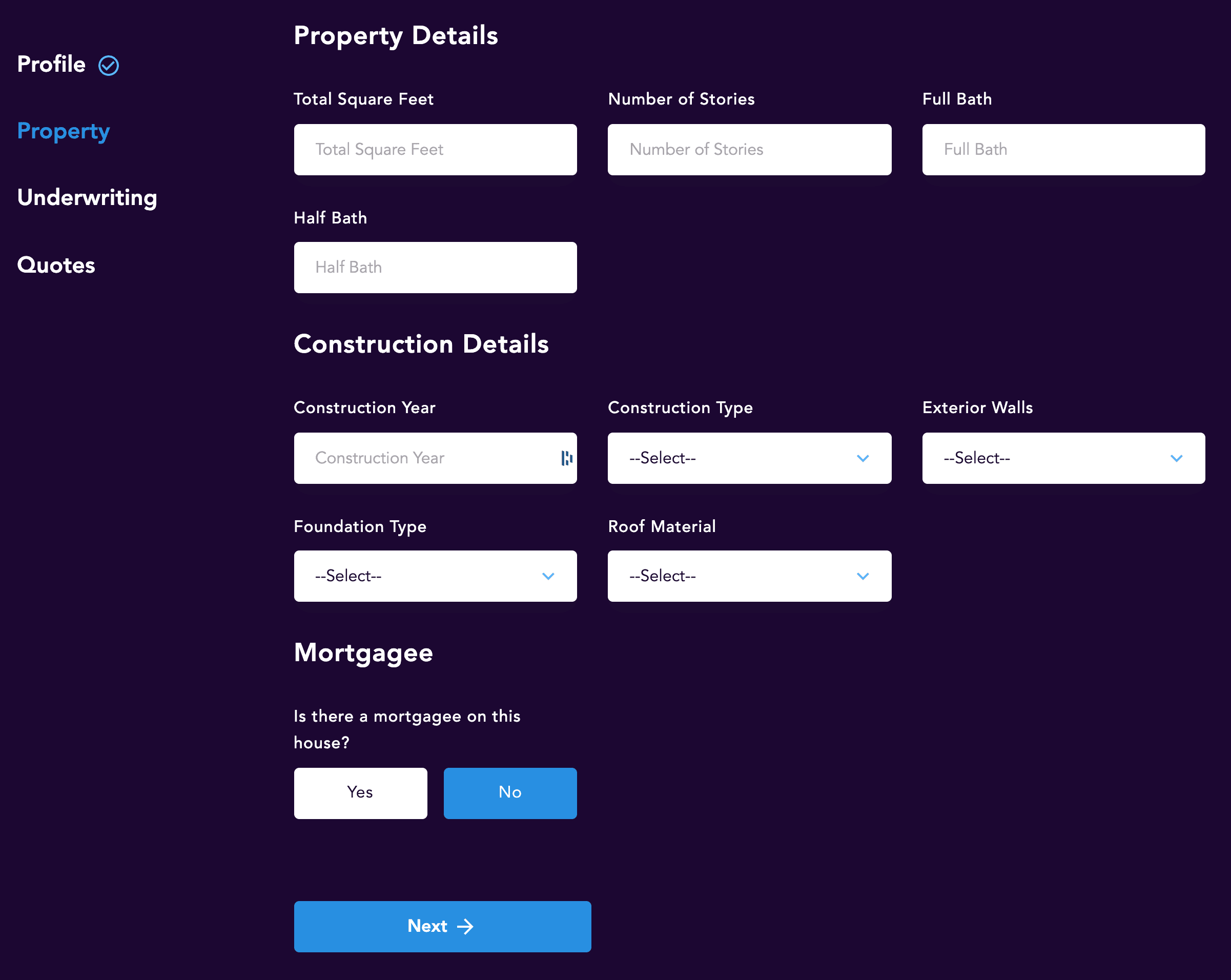
Finding better rates on your homeowners insurance is easy with Insurance Geek. Our online quote system gives you instant access to rates from over 30 top-rated insurance carriers. Simply complete our quote form to start comparing coverage options and finding your best rates.
Why choose Insurance Geek?
- Compare quotes from multiple leading carriers
- Access to independent insurance experts
- Advanced technology for accurate quotes
- Hassle-free application process
- Unbiased recommendations based on your needs
Start saving on your homeowners insurance today by filling out our quick quote form.
Shopping at the right time is only part of the equation — quotes need to be compared on identical coverage terms to mean anything. As an independent agency that works with dozens of carriers, we can run apples-to-apples comparisons across all the timing windows described above and confirm which credits are actually being applied to your rate.
You have clear timing signals for when shopping helps most; the last mile is still running those windows with identical deductibles and dwelling limits so totals are honest. When you want that apples-to-apples pass across multiple carriers in one session, request home insurance quotes with Insurance Geek and a licensed agent can drive the comparison.
Don't have time to run a quote? Just send us your policy
Share your current policy declarations pages with us in two clicks. Takes about 30 seconds. We'll review your coverage, find gaps, and compare our carriers to your current policy.
Connect your policy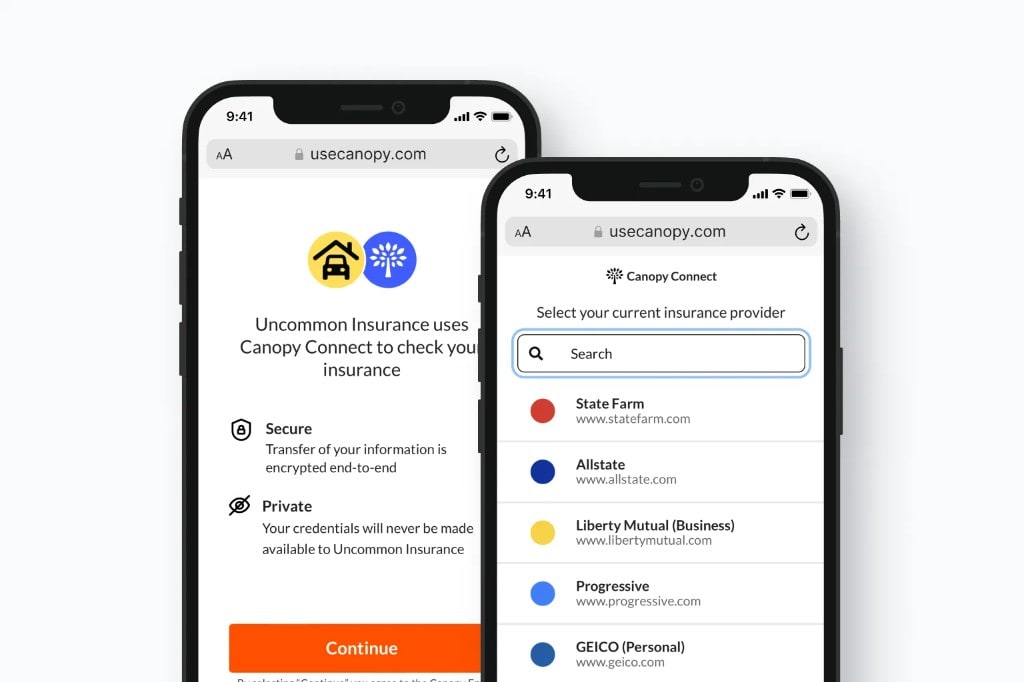
FAQ
About Brad Cummins

Brad Cummins is the founder of Insurance Geek and primary author of its educational content. Licensed since 2004, he brings over 21 years of experience structuring life insurance and IUL strategies for clients nationwide.
Fact checked by Brianna Baiocco

Brianna Baiocco runs P&C operations at Insurance Geek and fact-checks property and casualty content. Licensed since 2009, she brings over 16 years of experience in auto, home, renters, and commercial insurance.