Our editorial team follows strict guidelines to ensure accuracy and objectivity. Learn more about our process.
Personal Injury Protection (PIP) pays for medical expenses, lost wages, and sometimes child care and funeral costs for you and your passengers after a car accident—regardless of who is at fault. PIP is required in many no-fault states and optional in others. Even where it's optional, PIP can be valuable if you frequently have passengers or want extra protection beyond your health insurance.
PIP is broader than medical payments, which typically covers medical expenses only. PIP can also cover lost income, essential services, and other costs that add up quickly after an accident.
What Does PIP Cover?
PIP typically pays for:
- Medical expenses – Hospital bills, doctor visits, X-rays, surgery, rehabilitation
- Lost wages – Income you lose when you can't work due to accident injuries
- Child care or household services – If you're unable to perform them because of your injuries
- Funeral costs – In some policies, if a covered person dies in an accident
Coverage limits vary by state and policy. In no-fault states, your PIP pays first—before health insurance—so you get care quickly without waiting for fault to be determined.
Where Is PIP Required?
PIP is required in no-fault states. Each state sets its own minimum limits. In states where it's optional, PIP can still be valuable if you frequently have passengers or want extra protection.
| State | No-Fault Insurance State? | Minimum Required Coverage |
|---|---|---|
| Delaware | No | $15,000 / person |
| Florida | Yes | $10,000 / person |
| Hawaii | Yes | $10,000 / person |
| Kansas | Yes | See below |
| Kentucky | Yes | $10,000 / person |
| Massachusetts | Yes | $8,000 / person |
| Michigan | Yes | Unlimited |
| Minnesota | Yes | $20,000 medical / $20,000 loss of income |
| New Jersey | Yes | $15,000 / person |
| New York | Yes | $50,000 / person |
| North Dakota | Yes | $30,000 / person |
| Oregon | Yes | $15,000 / person |
| Pennsylvania | Yes | $5,000 / person |
| Utah | Yes | $3,000 / person |
- $4,500 medical expense per person
- $900 per month income loss for one year
- $25 per day at-home services
- $4,500 rehabilitation expense per person
- $2,000 funeral expense per person
PIP is optional in Arkansas, Kentucky, Maryland, New Hampshire, South Dakota, Texas, Virginia, Washington, and Washington D.C. Even where optional, PIP can cover non-medical costs like lost wages and child care that Med Pay does not.
Expert Insight: When PIP pays out
Brianna was injured in a car accident and missed two weeks of work. Her PIP coverage paid for her medical bills and reimbursed her for lost wages during that time—even though the accident was her fault.
—Brianna Baiocco
PIP vs. Medical Payments Coverage
Both PIP and Med Pay cover medical expenses regardless of fault. The key difference:
- Med Pay – Medical expenses only. Simpler, lower limits ($1,000–$10,000 typical).
- PIP – Medical expenses plus lost wages, child care, household services, and sometimes funeral costs. Higher limits where required.
In states that offer both, Med Pay can supplement PIP—for example, paying deductibles or co-pays from your health insurance or PIP policy. If you can only choose one and lost wages matter to you, PIP is usually the better option.
What PIP Does Not Cover
PIP covers personal injury only. It does not cover:
- Property damage – Damage to your vehicle or someone else's. For that, you need collision or property damage liability.
- Injuries to the other driver – That's bodily injury liability.
- Non-collision damage – Theft, vandalism, hail. That's comprehensive.
PIP also won't cover injuries from intentional acts, racing, or using your car for commercial purposes without proper coverage.
How Much Does PIP Cost?
PIP rates vary by state, your vehicle, driving history, and chosen limits. States with unlimited PIP (like Michigan) have higher premiums because claims can be very expensive. In states with lower minimums, PIP is often affordable—sometimes $50–$150 per year or a small add-on to your premium.
Factors that affect PIP cost:
- State requirements – Higher minimums mean higher premiums
- Your limits – Choosing more than the minimum increases cost
- Your vehicle and location – Urban areas and higher-risk vehicles often cost more
- Driving record – Accidents and citations can increase rates
Get a free quote to compare PIP limits and rates from multiple carriers in your state.
Do You Need PIP?
If you're in a state where PIP is required, you must carry it. If it's optional, consider PIP if:
- You frequently drive with passengers who could hold you liable for injuries
- Your health insurance has high deductibles or doesn't cover auto accident injuries well
- You want coverage for lost wages and child care, not just medical bills
Choosing the right PIP tier—especially in states like Michigan where options range from coordinated to unlimited—depends on what your health insurance actually covers. A licensed agent can review both your auto and health coverage together and help you avoid paying for PIP limits you don't need or underbuying coverage your health plan won't fill.
Don't have time to run a quote? Just send us your policy
Share your current policy declarations pages with us in two clicks. Takes about 30 seconds. We'll review your coverage, find gaps, and compare our carriers to your current policy.
Connect your policy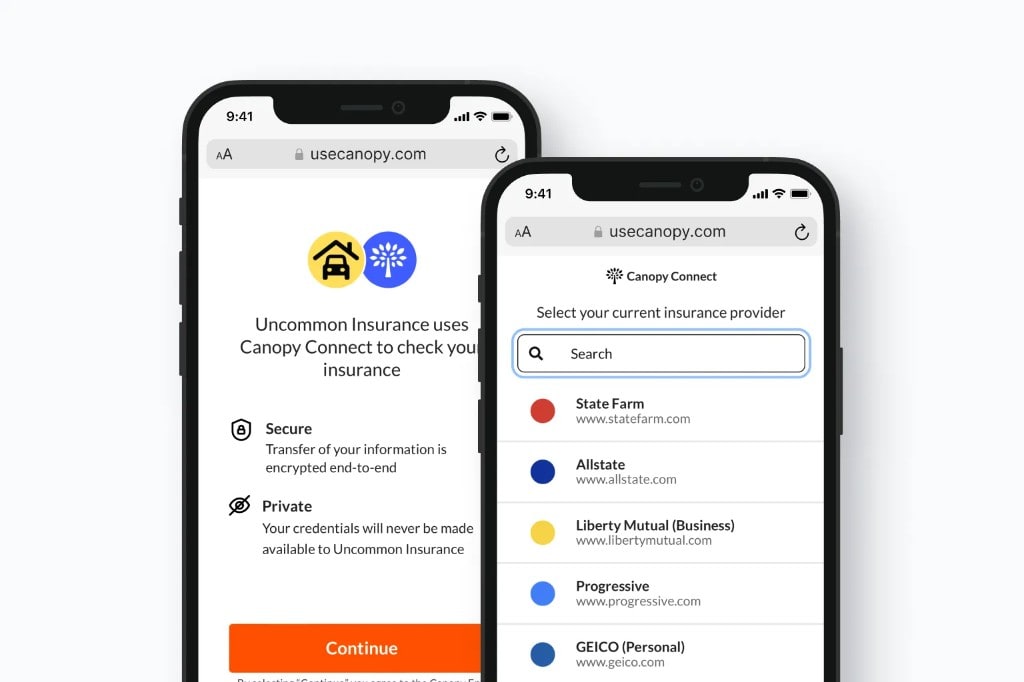
FAQ
About Brad Cummins

Brad Cummins is the founder of Insurance Geek and primary author of its educational content. Licensed since 2004, he brings over 21 years of experience structuring life insurance and IUL strategies for clients nationwide.
Fact checked by Brianna Baiocco

Brianna Baiocco runs P&C operations at Insurance Geek and fact-checks property and casualty content. Licensed since 2009, she brings over 16 years of experience in auto, home, renters, and commercial insurance.